🌞300 Days of Sunshine in the Algarve – Is That Really True?
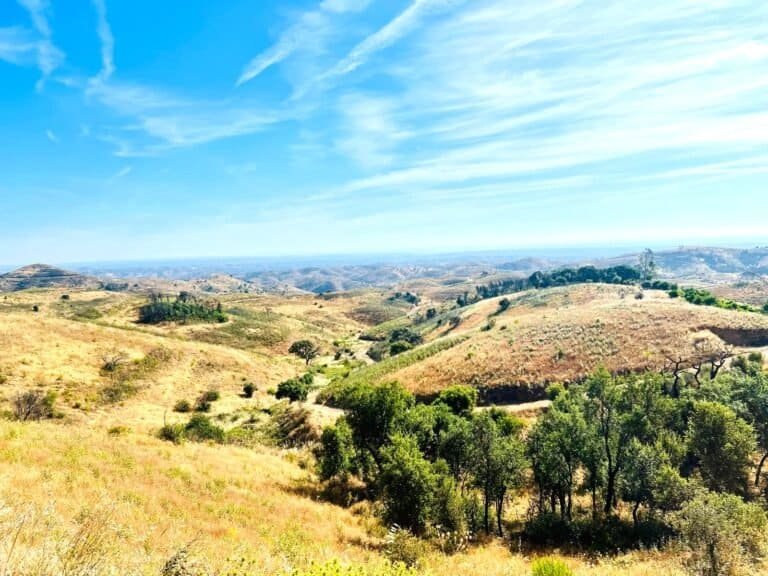
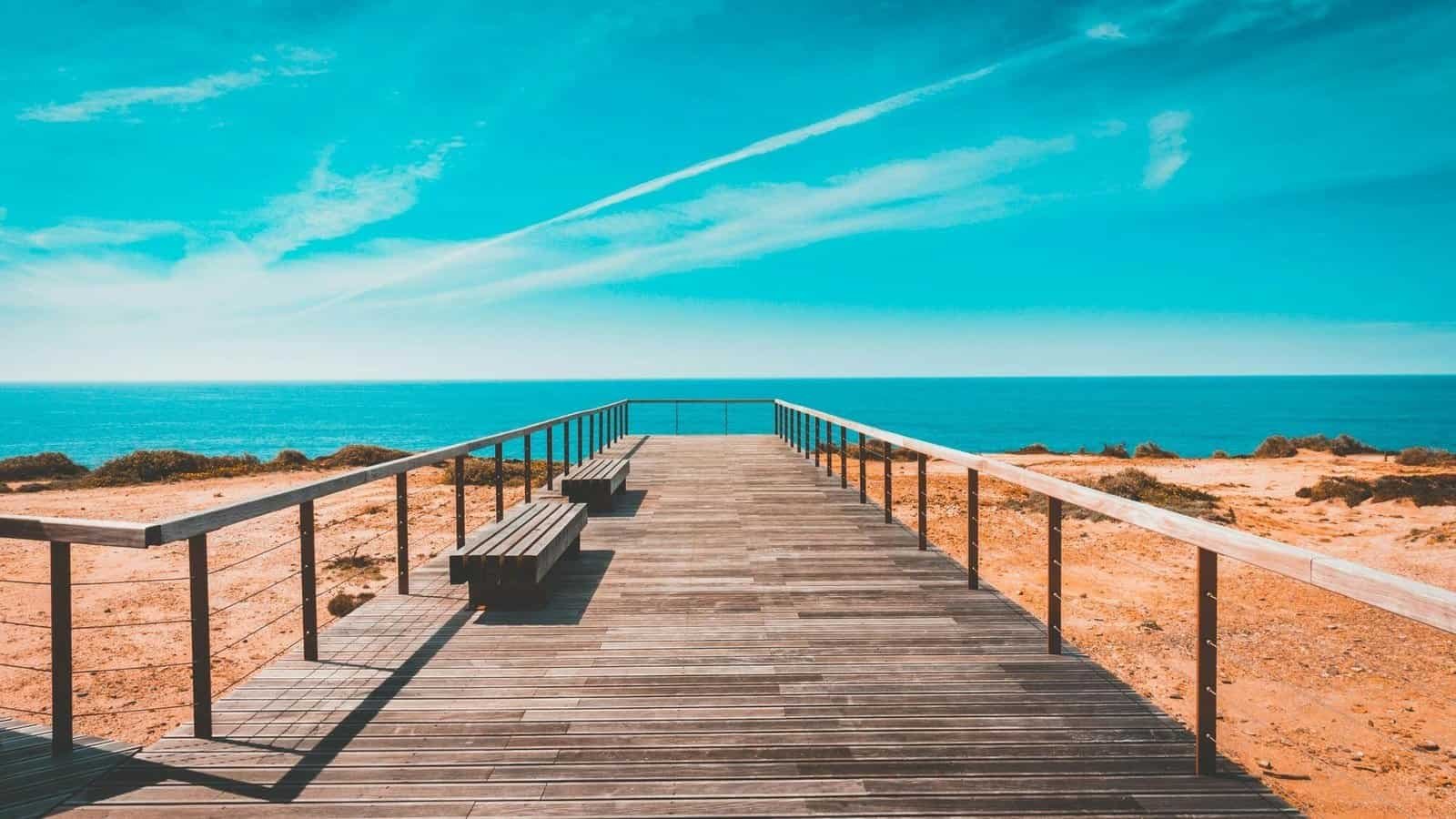
You’ve probably heard the claim: “The Algarve has 300 days of sunshine a year.” Sounds like a tourist slogan, right? But here’s the thing — it’s actually true. From March to November, the days are mostly drenched in sunshine, and rain is more of a rumor than a reality.
Most of the rain shows up in winter — and even then, it’s barely worth mentioning. Faro gets around 316 mm of rain per year (some years as little as 238 mm). Compare that to England, the Netherlands or Belgium, where rainfall easily tops 1,000 mm.
And when it does rain here, it’s usually a short, dramatic burst — a few hours later, the sky clears, and the sun is back as if nothing happened. Those endless weeks of grey, damp drizzle that northern Europeans know all too well? Yeah, those don’t exist here.
How cold is it in Winter?
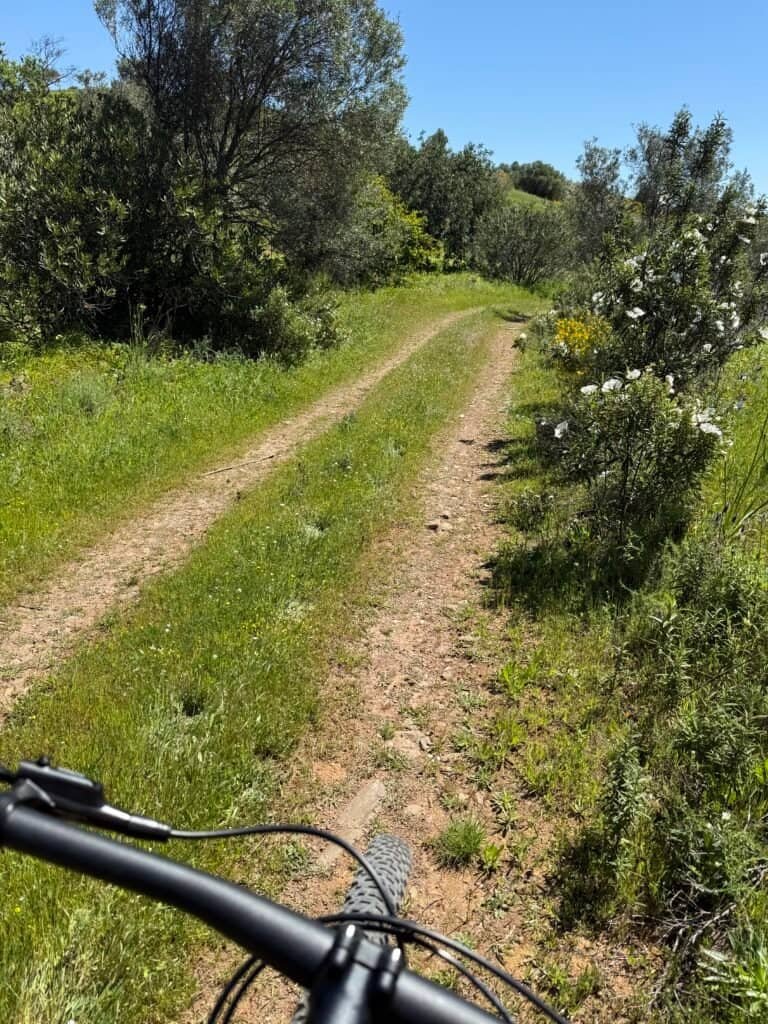
December and January are what locals call “cold” — though for anyone from further north, it feels more like a mild spring. If you’re chasing 30°C pool days, you’ll need to go to Africa or South America. But in the Algarve, winter days average 17–21°C, dropping to around 10°C at night. Perfect for a sunny beach walk, a lazy terrace lunch, or a bike ride through the countryside.
We might be out in short sleeves or a light jumper, but don’t be surprised if your Portuguese neighbor at the next table is wrapped in a puffer jacket and scarf. Locals have a completely different definition of “cold.”
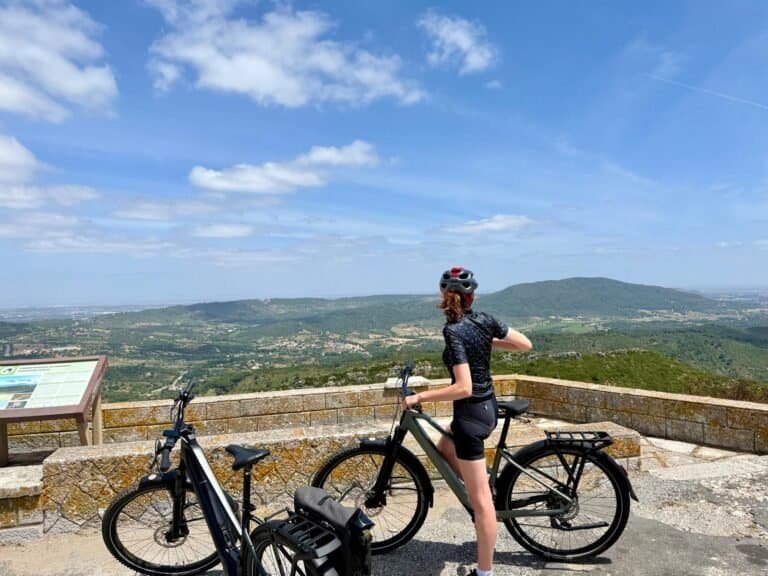
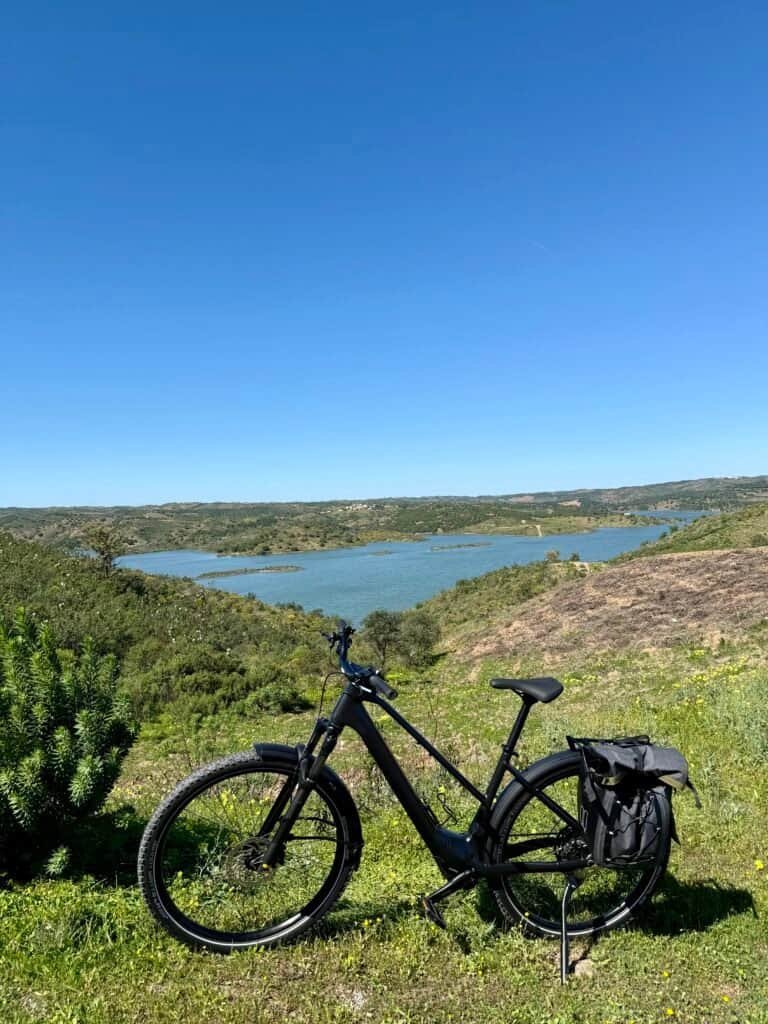
Even in winter, life happens outdoors — breakfast, coffee, aperitif, lunch… as long as it’s not raining, everyone’s outside soaking up the sun. One of my favorite winter moments? Cycling in shorts in January, passing groups of Portuguese riders dressed like they’re training for an Arctic expedition — hats, gloves, thermal jackets — while it’s a pleasant 20°C.
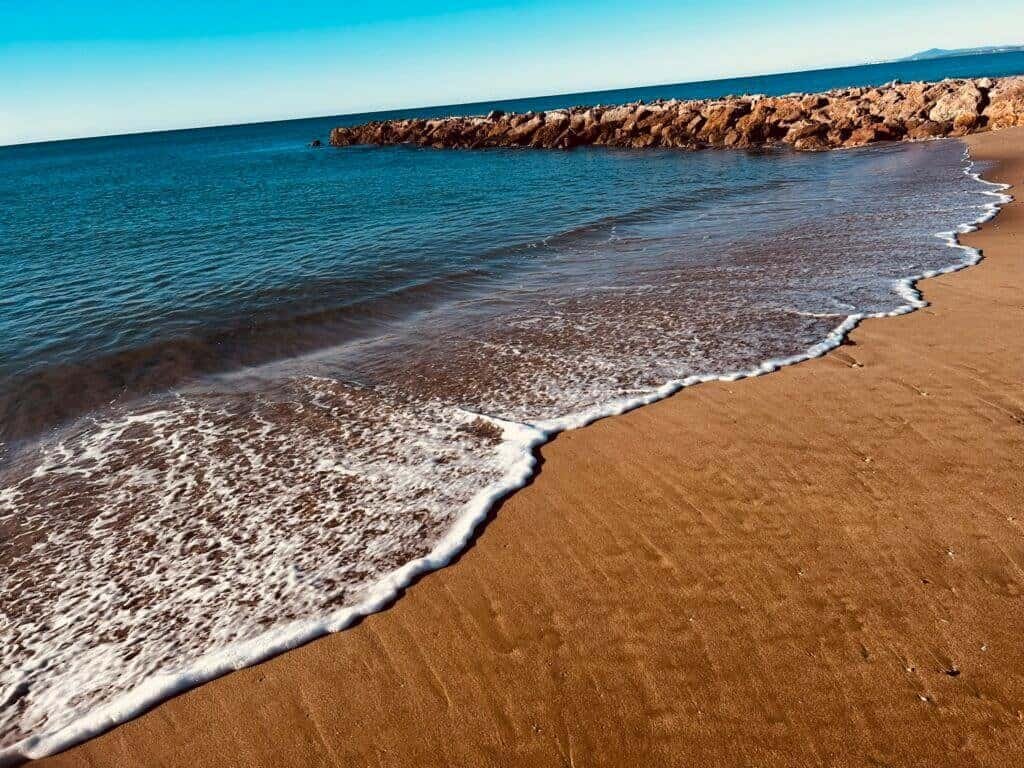
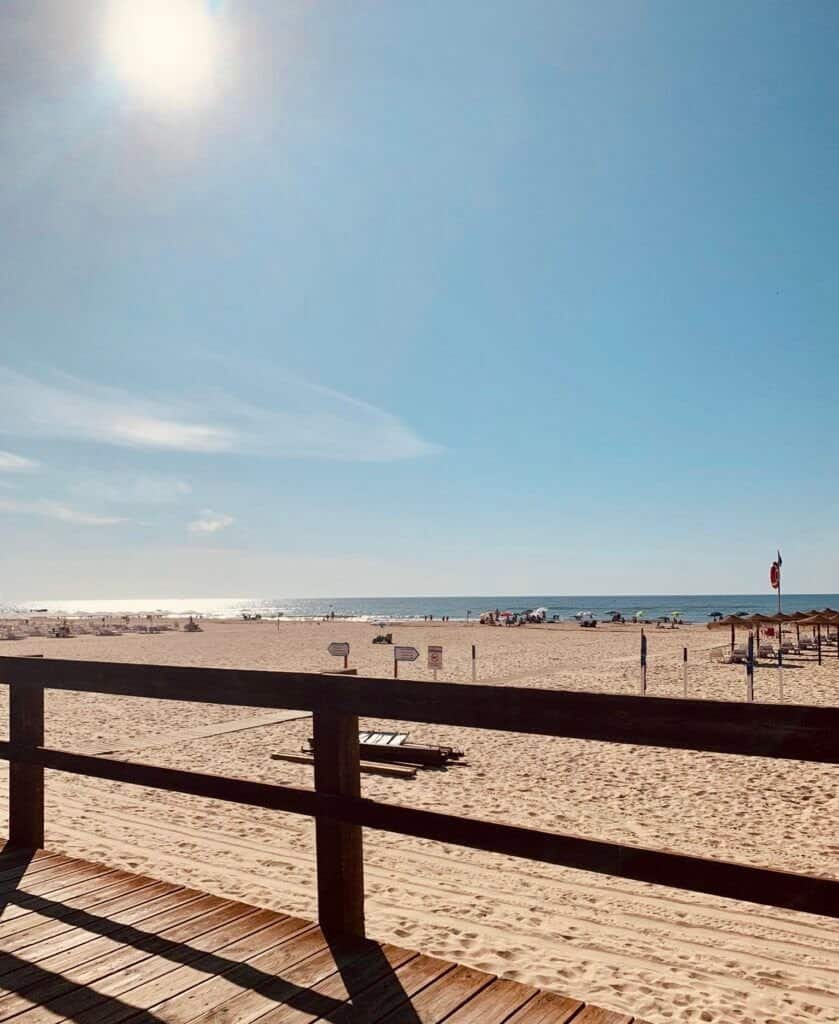
And the beach season? It stretches beautifully long here — from March right through October, you’ll find people swimming, strolling, sunbathing, or playing in the sand.
The Algarve vs. The Rest of Portugal (or Spain)
Oh yes, there’s a difference. The further north you go in Portugal, the more you’ll see those rain clouds. Up in Porto — the wettest region of the country — rainfall is two to three times higher than in the Algarve. Lisbon gets about one and a half times more.
Because Portugal’s west coast faces the Atlantic, the climate stays milder than on Spain’s Mediterranean costas just a few hundred kilometers away. That’s not a bad thing — some parts of Spain can be scorching in summer. Many travelers prefer Portugal for that reason: warm, but not unbearable.
In the Alentejo region (just north of the Algarve), summer temperatures can hit 40°C, while in the Algarve it’s usually a lovely, breezy 30°C. That Atlantic breeze is a lifesaver. Winter is milder too, making the Algarve’s average yearly temperature about two degrees warmer than Alentejo.
West Algarve vs. East Algarve – What’s the Difference?
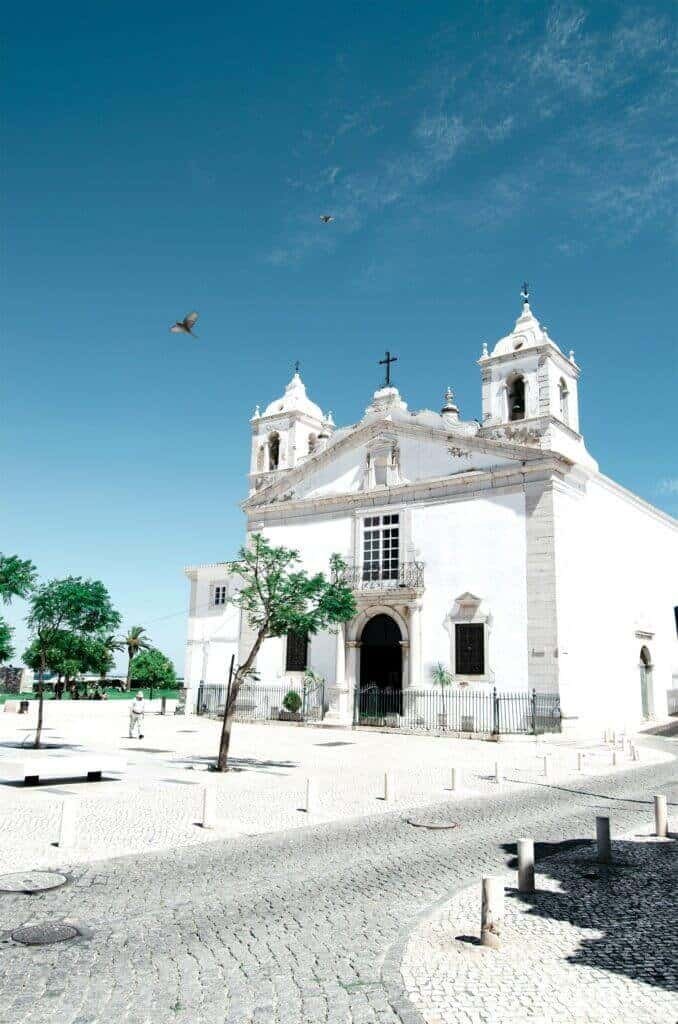
Let’s take Faro as the halfway point. The western Algarve includes well-known spots like Albufeira, Lagos, Portimão and Sagres — wild cliffs, surf beaches and dramatic sunsets. The east, on the other hand, is home to the quieter, more authentic towns of Olhão, Tavira, and Vila Real de Santo António right on the Spanish border.
The whole region shares a Mediterranean climate, but the west feels more Atlantic — windier, rougher seas, and slightly cooler winters (around 16°C). It’s also why surfers love it. The east leans more toward a Mediterranean vibe: calmer waters, warmer days (about 18°C in winter), and slightly less rain. Spring arrives earlier, summers get a bit hotter, and winter lingers a little longer in the west.
So yes, the east is warmer and drier overall — but honestly, both sides are blessed with fantastic weather all year round. You can’t really go wrong.
Is the Algarve Good for Cycling?
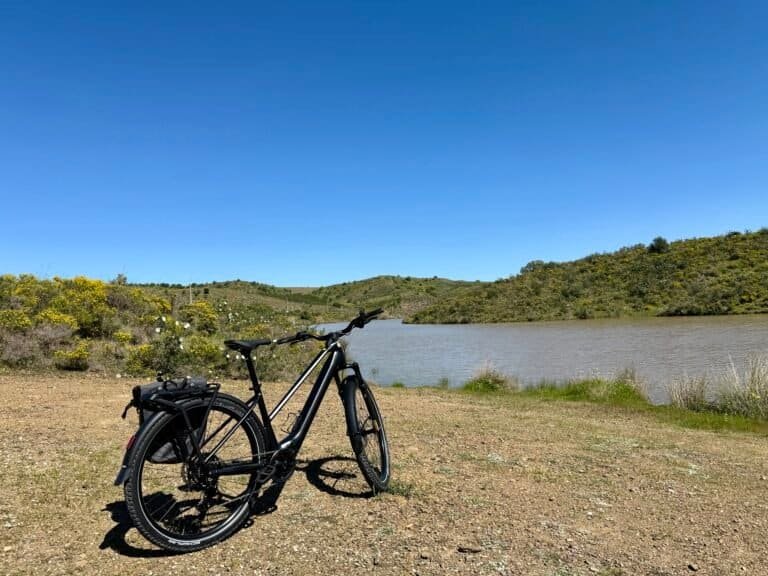
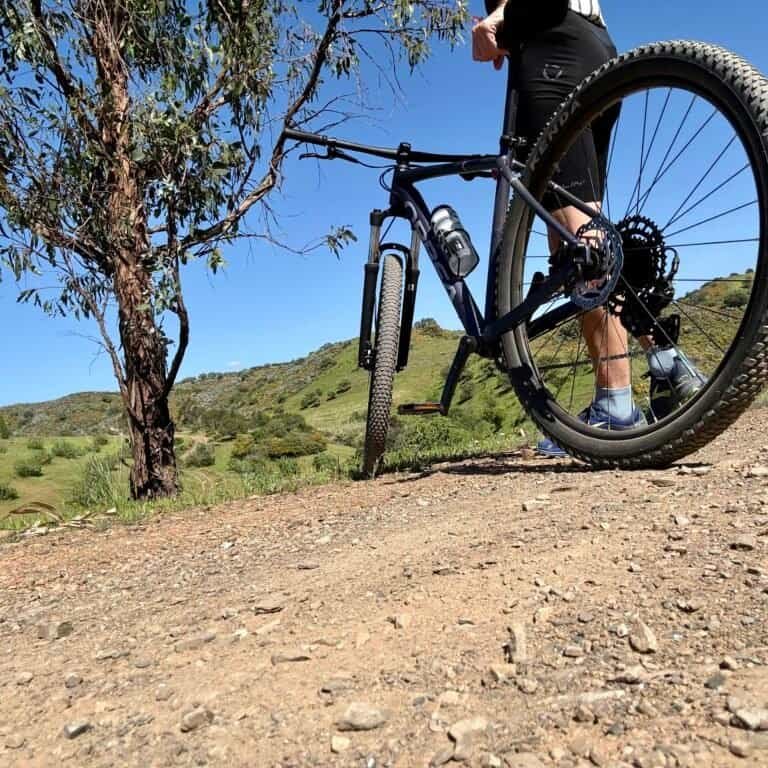
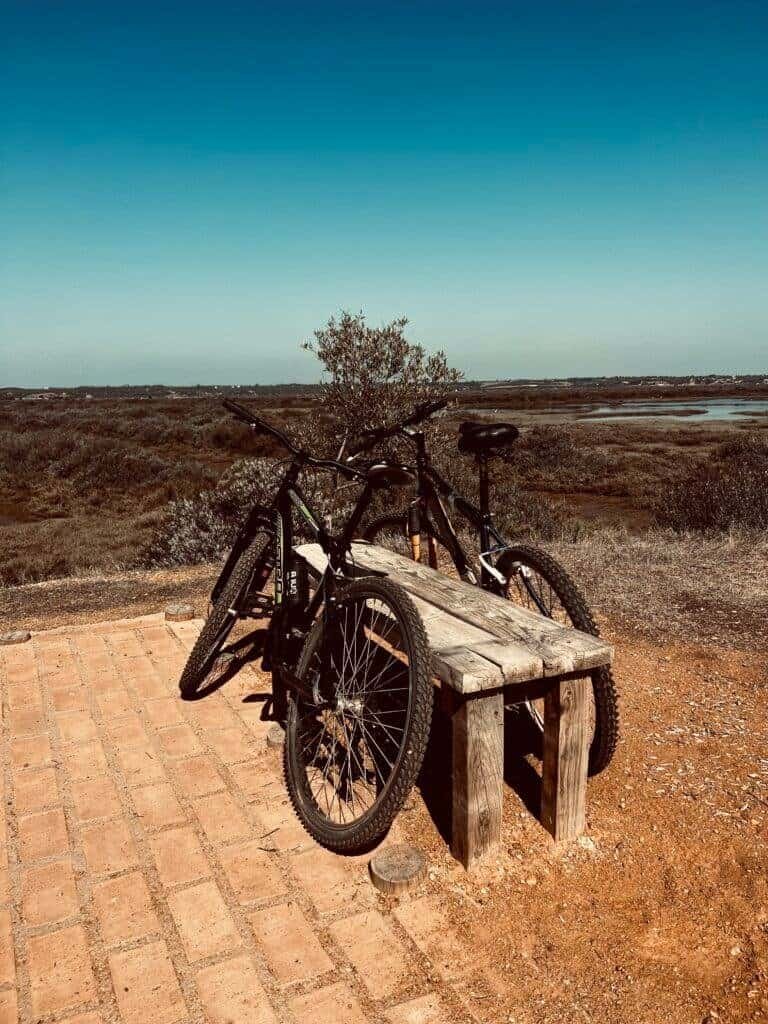
Oh, absolutely. Apart from a handful of rainy days in winter, you can ride your bike here more than 300 days a year. The climate is similar to Calpe or Alicante in Spain — both popular with cyclists chasing the sun — but the Algarve feels a bit more relaxed, less busy, and just as beautiful.
Both regions enjoy mild winters, warm summers and little rainfall. Calpe cools down a bit more in winter and heats up a touch more in summer, but the differences are tiny. Their rainy season tends to be around March and September, while ours is mostly in winter.
And yes, the Algarve even has its own pro cycling race — the Volta ao Algarve. It takes place every February and is a favorite among teams from the Netherlands, Belgium, the UK and Germany. Riders love it because they can train all week in short sleeves under the sun.
Our hometown, Vila Real de Santo António, proudly hosts a stage start or finish every year — a little reminder that we’re living (and cycling) in one of Europe’s sunniest corners.
Source: klimaatinfo.nl